The kitchen has always been more than just a place to cook. It is the heart of every home, where families gather, conversations flow, and memories are made over cups of tea and home-baked treats. As we step closer to 2026, kitchen design is evolving faster than ever before. It is no longer just about matching cabinets or choosing a worktop colour; it is about creating a living space that reflects your personality, supports your lifestyle, and embraces the latest technology and sustainability trends.
In recent years, British homeowners have started looking for kitchens that feel calm, functional, and timeless. The emphasis has shifted towards sustainable materials, smart storage, and flexible layouts that work for everyday life. At the same time, technology is quietly transforming how we interact with our homes. From voice-controlled lighting to intelligent appliances that know when you are running low on milk, the kitchen of the future is a beautiful blend of form and function.
In this guide, we will explore the kitchen design ideas and trends that will define 2026. Whether you are renovating your kitchen, extending it, or simply looking for inspiration, you will find plenty of practical tips, colour predictions, and layout ideas that suit every style and budget. We will also look at how sustainability and technology are shaping the next generation of British kitchens, and how you can bring these trends to life in your own home.
So, put the kettle on, and let’s take a look at what the future holds for kitchen design in 2026.
The Evolution of Kitchen Design
Ten years ago, the modern kitchen was defined by glossy cabinets, industrial fixtures, and bold statement lighting. Minimalist design ruled the scene, with open-plan spaces and sleek materials like glass and steel. But as lifestyles have changed, so has the design philosophy.
Today, homeowners are moving towards warmth and texture. Neutral colour palettes, soft lighting, and organic materials such as wood, stone, and ceramic have replaced the stark, cold minimalism of the past. Kitchens are becoming more human-centred, places to slow down, connect, and enjoy everyday life.
From Functional to Emotional Spaces
The biggest change in kitchen design isn’t just aesthetic; it’s emotional. Kitchens are now spaces that tell a story. They combine personality, nostalgia, and practicality in a way that feels both modern and familiar.
A well-designed kitchen in 2026 won’t just look good on social media: it will make you feel good every time you step inside. Expect a growing trend towards mindful design: layouts that reduce clutter, promote natural light, and encourage effortless movement between cooking, dining, and relaxing zones.
Sustainability and Longevity
Sustainability has become central to every design conversation. Recycled worktops, FSC-certified wood, and energy-efficient lighting are no longer luxury options; they’re the new normal. Homeowners are thinking long-term , choosing materials and finishes that last, not just those that follow fleeting fashion.At Xclusive Kitchens, we’re already seeing customers prioritising eco-friendly designs that also deliver on style. The good news? In 2026, you don’t have to compromise one for the other.
Core Design Trends for 2026
- Smart Kitchens and AI Integration – voice-controlled appliances, energy monitoring, smart pantries.
- Sustainable and Eco-Friendly Materials – recycled surfaces, bamboo cabinetry, low-VOC paints.
- Minimalism and Invisible Design – handle-less cabinetry, concealed storage, seamless surfaces.
- Colour Palettes of 2026 – earthy neutrals, carbon black contrasts, and splash accents.
- Multifunctional Islands and Modular Layouts – transforming kitchen islands, adaptive work zones.
- Retro-Futurism & Texture Mixing – brass, concrete, terrazzo, and fluted finishes.
- Lighting Trends – layered LED, sculptural pendants, ambient automation.
- Smart Storage Solutions – vertical pull-outs, rotating larders, built-in composting systems.
Smart Kitchens and AI Integration
Technology has become a quiet companion in modern kitchen design. While early smart appliances focused on novelty, the new generation integrates seamlessly into everyday life.
Intelligent Appliances
In 2026, expect to see more AI-driven appliances that learn from your routines. Fridges that track expiry dates and suggest recipes, ovens that adjust temperature automatically, and dishwashers that optimise water use will become standard in mid-range and premium kitchens alike.
Voice and App Control
Smart speakers and connected home apps now manage everything from lighting to coffee machines. In the kitchen of 2026, voice control will feel natural rather than futuristic. You’ll be able to pre-heat the oven, dim the lights, and start the extractor fan all through your phone or a simple voice command.
Smart Lighting
Lighting design is evolving into an experience. Layered systems using LED, ambient, and task lighting will create the right mood for any occasion. Some homeowners are even experimenting with circadian lighting, which shifts colour temperature throughout the day to match natural sunlight and boost wellbeing.
Data-Driven Design
AI won’t just power your appliances; it will help design your kitchen. Expect to see more apps that use AI to visualise layouts, suggest colour combinations, and calculate energy efficiency. Designers will use data insights to help you create a kitchen that’s not only beautiful but truly functional for your daily habits.
Sustainable and Eco-Friendly Materials

Sustainability is no longer a design trend; it is the new foundation of modern living. Homeowners across the UK are making thoughtful choices that reduce environmental impact while still achieving a stylish, high-quality finish. In 2026, eco-conscious design will be at the heart of every successful kitchen project.
Natural and Recycled Materials
More people are turning towards sustainably sourced timber, bamboo, and recycled composites. Reclaimed wood is making a comeback for shelving, flooring, and island units, adding a sense of character and warmth to the room. Recycled glass and quartz worktops are also becoming popular, offering the durability of stone but with a much smaller carbon footprint.
Water-Based Finishes and Low-VOC Paints
Paints and finishes that are low in volatile organic compounds (VOCs) are now a top priority. They are safer for your home environment, emit fewer odours, and help create a healthier indoor atmosphere. Matte and satin finishes, in particular, will dominate the 2026 palette, creating soft reflections and depth without harsh glare.
Energy Efficiency and Appliance Design
Appliance manufacturers have also embraced sustainability. By 2026, almost every major brand will offer A-rated or higher energy-efficient models. Induction hobs, air fry ovens, and heat pump dishwashers are leading the charge towards lower energy use. Smart meters and connected devices will help homeowners track consumption in real time, encouraging greener living habits.
Local Sourcing and Longevity
British homeowners are increasingly drawn to locally made kitchens. Choosing suppliers and manufacturers close to home not only supports local economies but also cuts down on transport emissions. At Xclusive Kitchens, we often remind clients that investing in durable, high-quality fittings is one of the most sustainable decisions you can make. A well-built kitchen can last decades with proper care.
Minimalism and Invisible Design
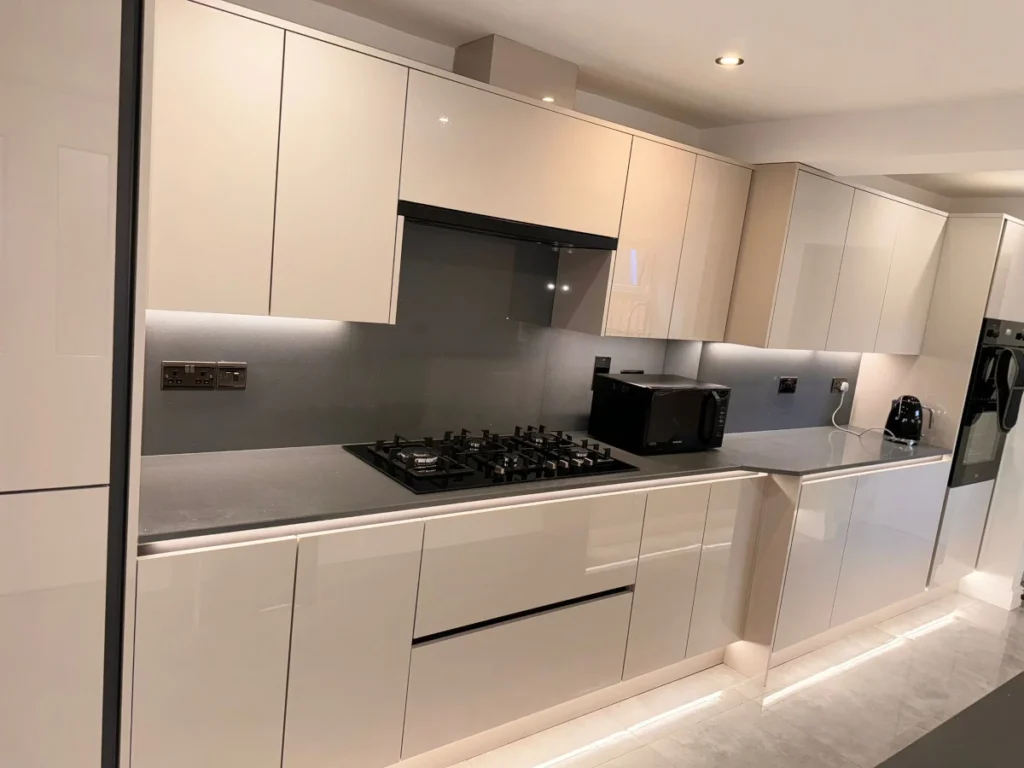
Minimalism in 2026 is less about cold, empty spaces and more about calm, considered design. Kitchens are becoming visually quieter, allowing materials, proportions, and light to take centre stage.
Handle-less and Integrated Cabinetry
True handle-less kitchens continue to dominate, with J-pull profiles and push-to-open mechanisms creating uninterrupted lines. Appliances such as dishwashers, fridges, and even extractor fans are fully integrated behind cabinetry, allowing the kitchen to feel more like a refined living space than a purely functional room.
Concealed Storage Solutions
Clutter-free worktops are a key part of the invisible design movement. Internal drawers, pull-out larders, and pocket doors hide everyday essentials while keeping them easily accessible. Many homeowners are opting for appliance garages to conceal kettles, coffee machines, and toasters, maintaining a clean and streamlined look.
Seamless Materials and Finishes
Worktops that continue up into splashbacks, waterfall island edges, and matching cabinet finishes help blur visual boundaries. Quartz, porcelain, and compact laminate surfaces are popular choices, offering durability while maintaining a sleek, uniform appearance.
Colour Palettes of 2026

The colour story for 2026 celebrates calm, comfort, and a deeper connection to nature. The era of sterile white kitchens is giving way to rich, layered tones that make a space feel warm and lived in.
Earthy Neutrals
Soft beiges, oatmeal, and clay tones will dominate cabinet designs. These shades bring a sense of serenity and balance while working beautifully with both traditional and contemporary interiors. They pair well with natural textures like stone or timber, creating a timeless aesthetic that never feels forced.
Deep Contrast
Dark shades are returning with confidence. Charcoal, forest green, navy, and espresso brown will be used for lower cabinets and islands to anchor a space, balanced by lighter tones above. This layered contrast adds sophistication and visual depth.
Accents and Texture
Rather than bright pops of colour, homeowners in 2026 will express personality through texture and materials. Think fluted wood panels, reeded glass, and brushed metal detailing. These subtle design touches add character without overwhelming the senses.
Metal Finishes
Brass, aged bronze, and matte black fittings will continue to shine. Unlike the high-gloss chrome of the past, these finishes age gracefully, developing a natural patina that enhances the look over time.
Multifunctional Islands and Modular Layouts
The kitchen island has evolved into the true heart of the home. In 2026, islands are no longer just preparation areas; they are flexible hubs designed for cooking, working, entertaining, and socialising.
Transforming Kitchen Islands
Expect to see islands with built-in seating, induction hobs, sinks, wine storage, and hidden power points. Some designs even include adjustable-height sections, allowing the island to shift between dining, working, and prep modes throughout the day.
Adaptive Work Zones
Modular layouts allow kitchens to adapt to changing lifestyles. Moveable units, sliding panels, and reconfigurable storage systems make it easier to redefine zones for cooking, homework, or entertaining. This flexibility is particularly valuable in open-plan homes, where the kitchen must serve multiple purposes.
Technology Integration
Pop-up sockets, wireless charging points, and discreet USB ports are now standard features. These thoughtful additions ensure the kitchen remains practical without compromising on aesthetics.
Retro-Futurism & Texture Mixing
One of the most exciting trends of 2026 is the blend of nostalgic design elements with modern innovation. Retro-futurism brings warmth and personality back into the kitchen through texture, colour, and material contrast.
Bold Material Pairings
Designers are confidently mixing materials such as brushed brass with concrete worktops, or terrazzo flooring with sleek cabinetry. These combinations create visual interest and a sense of curated individuality.
Fluted and Ribbed Finishes
Fluted wood panels, reeded glass cabinet doors, and ribbed island fronts are everywhere in 2026. These tactile surfaces catch the light beautifully and add depth without overwhelming the space.
A Softer Industrial Feel
While industrial kitchens once leaned heavily on steel and stark finishes, the new interpretation is warmer and more refined. Think matte metals, softened concrete tones, and handcrafted details that feel timeless rather than trend-driven.
Lighting Trends for 2026
Lighting is one of the most transformative aspects of kitchen design, and in 2026 it will take centre stage. The right lighting not only enhances how your kitchen looks but also how it feels and functions throughout the day.
Layered Lighting
The single ceiling light of old kitchens is long gone. Modern kitchens now use a layered lighting plan made up of task, ambient, and accent lighting. This combination allows you to control brightness levels and create the right atmosphere for every activity.
Task lighting is essential above worktops, sinks, and cooking zones, ensuring clear visibility for food preparation. Ambient lighting provides soft, even illumination that makes the whole room feel warm and inviting. Accent lighting highlights architectural features such as alcoves, shelving, or display cabinets.
Under-Cabinet and Plinth Lighting
Discreet LED strips under wall units or plinths add depth and drama to your kitchen design. Not only do they make cleaning and cooking safer, but they also give the room a soft glow in the evenings. Some systems even come with motion sensors so they turn on automatically when you enter the kitchen at night.
Statement Lighting
Pendant lights will continue to play a big role in 2026. Expect sculptural shapes, natural materials such as linen and rattan, and handcrafted finishes that act as works of art. Positioned over an island or dining table, they draw the eye and create a sense of intimacy.
Smart and Sustainable Lighting
Smart lighting systems are now more accessible than ever. You can control brightness and colour tone through your smartphone, or set lights to adjust automatically depending on the time of day. Energy-efficient LED bulbs and recyclable fittings ensure your kitchen remains both beautiful and environmentally responsible.
Smart Storage Solutions
Storage design in 2026 is all about maximising space while making everyday life easier. Smart storage is no longer a luxury; it is an expectation.
Vertical and Pull-Out Systems
Tall pull-out larders, narrow spice racks, and vertical tray storage make use of every available centimetre. These solutions improve visibility and accessibility, reducing waste and frustration during cooking.
Corner and Rotating Storage
Gone are the days of wasted corner cabinets. Rotating carousels, Le Mans pull-outs, and swing systems ensure even the deepest cupboards are easy to reach and well organised.
Integrated Recycling and Composting
Built-in recycling centres and composting systems are becoming standard in 2026 kitchens. Discreetly hidden within cabinets, they encourage sustainable habits while keeping the kitchen clean and uncluttered.
Custom Internal Organisation
Drawer inserts tailored for cutlery, utensils, spices, and pans allow homeowners to personalise their storage. These bespoke solutions improve workflow and make the kitchen feel intuitively designed around daily routines.
Layout and Space Planning
The kitchen layout you choose defines how the space functions day to day. In 2026, flexibility and flow will be the guiding principles of design.
The Rise of Multifunctional Islands
Kitchen islands have evolved from decorative features into hardworking, multifunctional zones. Expect to see islands with integrated storage, seating, hidden power outlets, and even built-in herb gardens. They are becoming central workspaces for cooking, dining, and socialising all in one.
Zoning and Open-Plan Living
While open-plan kitchens are still popular, many homeowners are now choosing “broken-plan” layouts instead. These designs use half-walls, glass partitions, or shelving units to define areas without closing them off completely. It allows light to flow while maintaining a sense of privacy and order.
Compact and Urban Kitchens
For smaller homes or flats, efficient use of space will remain key. Modular furniture, pull-out tables, and custom cabinetry make it possible to have a full-featured kitchen in compact areas. Vertical storage, concealed handles, and slimline appliances help maintain a tidy, spacious feel.
Ergonomics and Accessibility
Designing a kitchen that works for everyone in the home is becoming a growing priority. Adjustable-height worktops, soft-close drawers, and walk-in pantries make cooking and cleaning easier for people of all ages and abilities. A well-planned layout should feel effortless and intuitive.
Global Inspirations Shaping British Kitchens
The world of design has become increasingly connected, and British kitchens are drawing inspiration from around the globe. In 2026, international influences will blend effortlessly with classic UK craftsmanship.
Scandinavian Simplicity
Scandinavian design remains a favourite, with its focus on light, functionality, and natural materials. Expect pale woods, clean lines, and uncluttered surfaces that reflect a calm, harmonious lifestyle. These kitchens celebrate space and light, making them perfect for smaller British homes.
Japandi Calm
A fusion of Japanese minimalism and Scandinavian warmth, Japandi style will continue to thrive in 2026. Think of muted tones, soft textures, and low-profile furniture that emphasises balance and flow. It is all about simplicity without sterility, a look that feels timeless and tranquil.
British Heritage Revival
Across the UK, there is a growing affection for classic craftsmanship. Traditional shaker-style doors, panelled cabinetry, and solid wood finishes are being reimagined in contemporary ways. Colours such as sage, stone, and navy blue bring a modern twist to familiar designs.
Mediterranean Warmth
Earthy colours, terracotta tiles, and open shelving inspired by southern Europe are gaining popularity. These designs emphasise comfort, texture, and sociability. A Mediterranean-inspired kitchen feels lived-in and inviting, ideal for families who love to entertain.
Technology and the Kitchen of the Future
Technology is quietly redefining how we live, and by 2026 the kitchen will be smarter, safer, and more energy-efficient than ever before.
Connected Appliances
Smart fridges, voice-activated ovens, and Wi-Fi-enabled coffee machines are already mainstream. The next wave of innovation focuses on interconnectivity, with appliances that communicate with each other to improve convenience and save energy.
Imagine your fridge suggesting a recipe based on what is inside, or your hob lowering its heat automatically when the extractor senses too much steam. These technologies simplify cooking and reduce waste.
Sustainable Tech Integration
Technology is also driving sustainability. Appliances that monitor water use, induction hobs that heat only when a pan is detected, and composting units with odour control are just a few of the innovations shaping eco-friendly living.
Augmented Reality in Design
One of the most exciting developments in kitchen design is the use of augmented reality (AR) and 3D modelling tools. Homeowners can now visualise how materials, colours, and layouts will look in real time before making a purchase. This technology helps eliminate guesswork and ensures every element works together beautifully.
Home Automation
Home assistants such as Alexa, Google Home, and Apple HomeKit continue to evolve. In 2026, these systems will play a central role in daily kitchen routines. You will be able to set modes for different moments, from morning coffee lighting to evening dinner ambience or an eco-mode when you are away.
Design Ideas for Every Budget
A dream kitchen does not have to come with a luxury price tag. Whether you are refreshing your current space or planning a full renovation, there are creative ways to achieve a stylish, modern look that fits your budget.
Budget-Friendly Kitchen Updates
If you want to give your kitchen a new lease of life without starting from scratch, focus on the areas that make the biggest visual impact.
- Cabinet painting: A fresh coat of paint can completely transform your kitchen. Soft neutrals or muted greens are timeless and easy to live with.
- New handles and fittings: Swapping old hardware for brushed brass, matte black, or polished nickel can instantly update your cupboards.
- Lighting upgrades: Replacing ceiling lights or adding LED strips under cabinets gives your kitchen a modern edge and improves functionality.
- Open shelving: Removing a few wall units and replacing them with open shelves creates a lighter, airier feel.
Small updates like these can make your kitchen feel new again for a fraction of the cost of a full remodel.
Mid-Range Transformations
For homeowners ready to invest a little more, consider changing key structural or material elements.
- New worktops: Durable materials such as quartz or solid wood provide long-term value and elevate the overall look.
- Layout tweaks: Replacing a cramped peninsula with a small island or adding a breakfast bar can make the space more sociable.
- Integrated appliances: Built-in ovens, dishwashers, and induction hobs create a clean, seamless appearance.
Mid-range projects are ideal for those seeking both aesthetic improvement and practical upgrades that improve daily living.
Luxury Kitchen Design
For those dreaming big, 2026 will offer plenty of inspiration for high-end kitchens that combine elegance with innovation.
- Custom cabinetry: Bespoke furniture allows you to make the most of every inch of space while achieving a truly personal design.
- Statement materials: Marble, fluted glass, or handmade tiles can be used for worktops, splashbacks, or feature walls.
- Smart technology: Premium brands are introducing fully connected kitchen suites where every appliance communicates for efficiency and convenience.
- Lighting design: Layered, dimmable lighting controlled by app or voice creates ambience that adapts to your lifestyle.
Even at the top end, the best designs balance style with substance. A luxury kitchen should not only impress guests but also make everyday life easier.
How to Plan Your 2026 Kitchen Renovation
Design trends come and go, but the planning process for a successful kitchen renovation remains the same. The key is preparation and collaboration.
Step 1: Define Your Vision
Before you look at materials or colour charts, spend time defining what you want your kitchen to achieve. Do you want a space that encourages family gatherings, supports your love of cooking, or simply looks stunning? Your goals will influence every design choice that follows.
Step 2: Set a Realistic Budget
Understanding your financial limits early helps you prioritise spending. Allocate more of your budget to structural work and appliances that affect long-term performance. Finishes such as handles and tiles can be upgraded later.
Step 3: Work with Experts
Even if you have a clear vision, it helps to work with experienced designers and fitters. A professional kitchen company can optimise layouts, suggest materials that match your lifestyle, and help you avoid costly mistakes.
If you are based in or near Sheffield, you can explore our other posts:
- Step-by-Step Guide to Planning a Kitchen Renovation in the UK
- Top Kitchen Companies in Sheffield: Xclusive Kitchens and the Rest
- Kitchen Designers in Sheffield: Transforming Your Dream Kitchen into Reality
These articles provide practical insights for homeowners starting their renovation journey.
Step 4: Think About Function First
Good design begins with flow and functionality. Make sure your new layout supports the way you cook, clean, and entertain. Keep the classic working triangle in mind: sink, hob, and fridge positioned for easy movement.
Step 5: Plan for the Future
The most successful kitchens are designed with the next decade in mind. Choose durable finishes, timeless styles, and flexible features that will still look and feel right in years to come.
The Heart of the Home in 2026
The kitchen has always been the centre of domestic life, but in 2026 it is set to become even more personal and multifunctional. It will be a space for cooking, working, socialising, and recharging. Whether your taste leans toward contemporary minimalism or traditional warmth, the key trend is authenticity.
Homeowners are choosing materials and designs that reflect their values, from sustainability and technology to craftsmanship and comfort. Kitchens are no longer showpieces; they are living spaces that adapt to the rhythm of everyday life.
As we look ahead, one thing is certain. The kitchen of 2026 will blend style, practicality, and innovation in ways that truly enhance how we live. It will continue to evolve, just like the people who gather within it, remaining the true heart of the home.
Conclusion
As 2026 approaches, kitchen design is entering a new era of innovation and comfort. The modern British kitchen is no longer just a place to prepare meals; it has become a living space where design, technology, and sustainability meet.
Homeowners are favouring calm, organic materials that bring warmth and personality. Smart technologies are making everyday routines easier and more efficient. Lighting has evolved into an art form that sets the mood for every occasion. And sustainable practices are shaping every aspect of design, from locally sourced materials to energy-saving appliances.Whether you are updating a few details or planning a complete transformation, the trends of 2026 offer something for every home. Your kitchen can now reflect who you are, how you live, and what matters most to you. At Xclusive Kitchens, we believe that great design starts with listening, planning, and understanding the heart of your home.


